







Search Results for: Southwest tea region
How are China's four major tea-growing regions divided? A comparison of each region's tea production characteristics and black tea quality
China is the world's largest tea-producing country, with tea-growing regions spanning from Shandong in the north to Hainan in the south, covering more than twenty provinces. Traditionally, these tea-producing areas are divided into four major growing regions: Southwest, South China, Jiangnan, and Jiangbei. Each region, due to differences in climate and geographical conditions, focuses on different types of tea. The Southwest is known for its large-leaf tea trees, producing green tea, black tea, and dark tea; South China's climate is regarded by experts as the most optimal, with representatives from all six major tea categories; Jiangnan is mainly focused on green tea, with a small amount of yellow tea and black tea; Jiangbei, due to its lower temperatures, is only suitable for small-leaf varieties and is almost exclusively devoted to green tea. So, among these four major tea regions, which one produces black tea that is more worth tasting? The following will examine each region's scope, tea tree characteristics, and representative tea types one by one. [more…]
A Comprehensive Analysis of the Flavor Characteristics, Growing Environment, and Processing Methods of Single-Origin Beans from Ethiopia's Kochere Region
Kochere is located southwest of Yirgacheffe in Ethiopia and is one of the most representative specialty coffee sub-regions in the Gedeo Zone. It enjoys the natural advantages of primary forest cover, deep red-brown clay, and high altitude, and its coffee is famous for a delicate flavor profile interwoven with citrus, stone fruit, and tea-like notes. This article systematically reviews Kochere's cultivation history, geographical production conditions, variety characteristics, and washed processing method, and provides detailed introductions to the flavor descriptions and specification information of several Kochere G1 single-origin beans under the Front Street Coffee brand—Debo, Hama, and Godochoa—while also extending to an introduction of the broader pattern of Ethiopia's eight major production regions, offering coffee enthusiasts a complete framework for understanding the region. [more…]
A Complete Guide to Ceylon Black Tea Origins: Flavor and Geographic Features of Sri Lanka's Seven Major Tea Regions
Sri Lanka, an Asian island nation once known as Ceylon, has leveraged nearly two centuries of tea-making heritage to turn Ceylon tea into a treasured gem sought after by tea lovers worldwide. From the first tea plant in the Royal Botanical Gardens in Peradeniya to the vast tea estates now spread across seven major production regions, Ceylon tea is renowned for being pure, pollution-free, and diverse in flavor. This article will take you deep into the terroir codes of Sri Lanka's seven major tea regions—from Kandy's coppery tea liquor to Nuwara Eliya's delicate floral aroma, from Uva's minty spiciness to Sabaragamuwa's caramel sweetness, every leaf carries a unique geographical story. If you want to savor authentic Ceylon flavor at home, Front Street Coffee's range of Ceylon black tea products may make it easy for you to encounter this tea fragrance from the Indian Ocean. [more…]
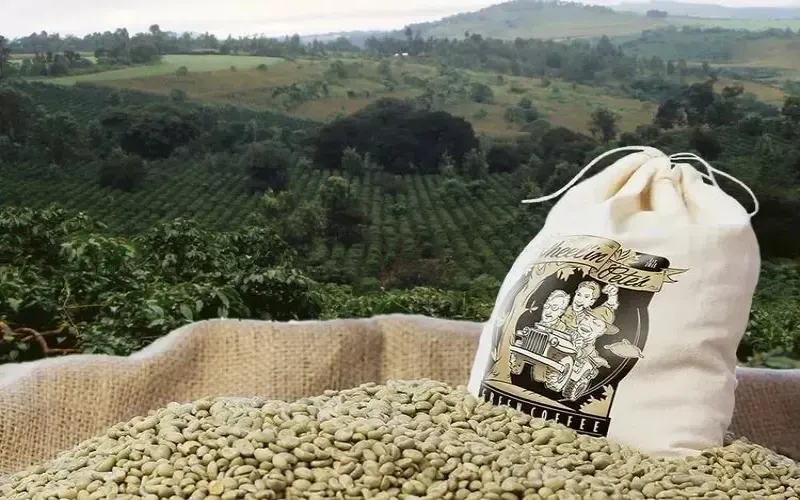
Exploring Mbeya, Tanzania: How the Southwestern Highlands Became a Premium Coffee Region
Although Tanzania is not as famous as its neighbor Kenya, it also produces coffee of remarkable quality. From the introduction of coffee trees during the German colonial period to the southward shift of the industry's focus after independence, this East African country, with its high altitude, volcanic soil, and abundant water, has given rise to several distinctive producing regions. Among them, Mbeya in the southwest is gradually attracting attention. Not only does it have cool highlands suitable for coffee cultivation, but it is also home to the Aing'e Agricultural Marketing Cooperative, known for its democratic management. This article will guide you through the evolution of Tanzanian coffee and take a deeper look at the Mbeya producing region to see how it became an agricultural trade center in the country's southwest. [more…]
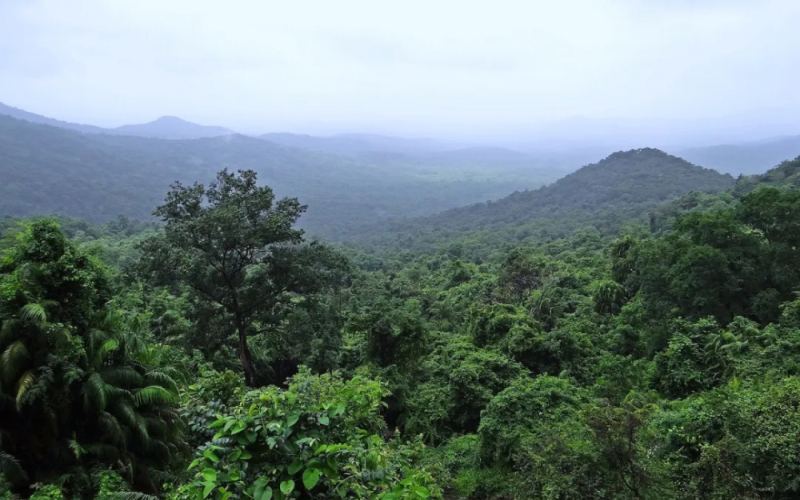
What Is Indian Monsooned Coffee (Monsooned Malabar)? A Full Analysis of Its Region, Varieties, Processing Method, and Brewing Flavor
When it comes to Asian coffee, most people first think of Indonesian Mandheling, but India also has a bean full of mystery—monsooned coffee, also called monsoon coffee or Malabar coffee. Its flavor does not come from artificial fermentation or sun-drying; instead, it relies on the hot, humid southwest monsoon winds of the Indian Ocean to make green beans swell and change color over weeks to months, reducing acidity and developing a unique profile reminiscent of nuts, grains, and genmaicha. Front Street Coffee will guide you through its origins, the Malabar region, its ports, the monsooning process, the characteristics of varieties such as Kents/S795/Catimor, and include roasting curves plus brewing comparisons using siphon, AeroPress, French press, and Kalita dripper, so you can understand this Indian curiosity—a bean that “depends on the heavens”—in one article. [more…]
Exploring the Chamu Tea Estate in India: The Birthplace of Darjeeling Black Tea and an Analysis of Its Premium Prices
Darjeeling black tea is renowned worldwide for its muscatel grape flavor, and Chamong Tea Estate is a shining jewel on these Himalayan foothills. Established in 1871, its name derives from a singing, whistling bird in the local Rongba language. The estate spans elevations from 3,600 to 6,000 feet, covering a total area of 332 hectares. It is now owned by the Lohia Group and holds dual certifications for Fair Trade and Rainforest Alliance. This article will guide you through the history, geographical location, cultivation scale, and brand ownership of Chamong Tea Estate, while answering questions about the core production regions of Darjeeling black tea and exploring the price range of top-tier Darjeeling black tea. Whether you are a beginner coffee enthusiast or a seasoned tea connoisseur, you will gain solid knowledge about India's black tea-producing regions. [more…]
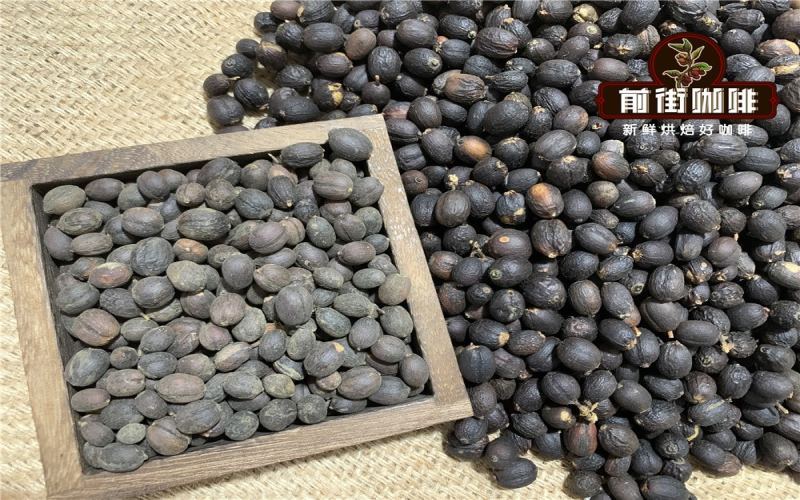
Yunnan Coffee Flavor Analysis: From Origin and Variety to Processing Method, Does Pour-Over Really Have a Pu'er Tea Note?
Coffee is often seen as an imported product, but Yunnan, China has long since become a coffee-producing region that cannot be ignored. The movie "Coffee or Tea" introduced more people to Yunnan coffee. How does it actually taste? Does it really carry a Pu'er tea-like flavor? This article starts from Yunnan's main producing regions (Dehong, Baoshan, Lincang, Pu'er), mainstream varieties (Catimor, Typica, Bourbon), and washed and natural processing methods to break down the sources of Yunnan coffee's nutty, brown sugar, full-bodied and balanced flavors, and introduces Front Street Coffee's Yunnan daily-drinker beans and natural Typica, helping you decide whether Yunnan coffee suits your taste. [more…]
Yirgacheffe Kochere G2: A Complete Guide to Flavor Profile, Processing Method, and Grind Settings
Yirgacheffe Kochere G2 is a classic among Ethiopian specialty coffees, renowned for its vivid floral aromas and fruity acidity. This article focuses on Front Street Yirgacheffe Kochere G2, outlining its cup profile and flavor performance, its growing region background, and its processing method, while also providing a grinding setting reference. Kochere is located about 25 miles southwest of Yirgacheffe town, where local smallholders deliver their coffee lots to a cooperative for centralized processing. The so-called "Yirgacheffe flavor" is often described as jasmine florals, lemon or lime-like acidity, and peach, almond sweetness, or tea-like notes. This season, Front Street's lot stands out with a particularly pronounced blueberry note in the dry aroma, and after grinding, the whole room fills with blueberry fragrance. The article also introduces Ethiopia's coffee industry and growing elevations to help readers fully understand the source of this bean's flavors and approaches to brewing it. [more…]
How Does Yunnan Coffee Taste in Pour-Over? An Analysis of Its Origin Story, Small-Bean Varieties, and Processing Characteristics
Coffee is often seen as an imported product, but China also has its own important producing region—Yunnan. With the development of the domestic coffee market and the influence of film and television works, more and more people are beginning to pay attention to Yunnan coffee. Unlike the citrus notes of Yirgacheffe, the floral aroma of Geisha, and the herbal spices of Mandheling, Yunnan coffee shows a balanced style of nuts, brown sugar, and high body. This article will help you understand the source of Yunnan coffee's flavor from three angles: Yunnan's main producing regions, cultivated varieties, and processing methods, and answer the question "Is Yunnan coffee good to drink?" The article also retains Front Street Coffee's representative recommendations in Yunnan's producing regions for coffee lovers' reference. [more…]
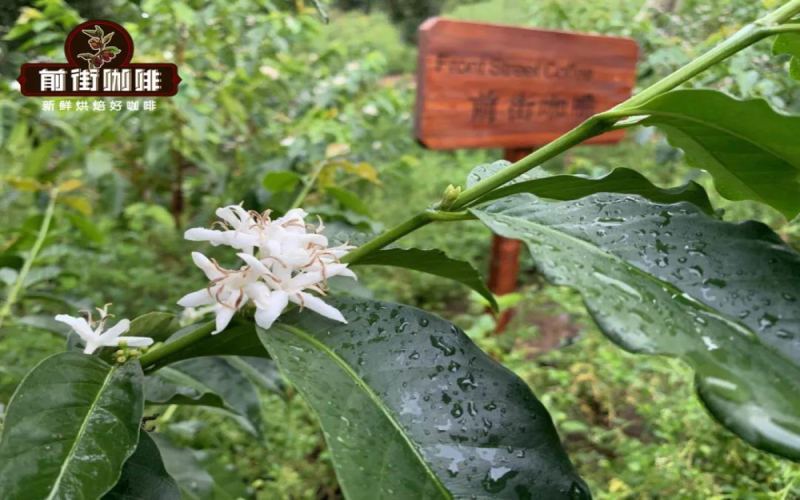
Which producing region of Yunnan small-bean coffee is most worth drinking? An analysis of the flavor characteristics from Baoshan and Dehong to Lincang and Pu'er
Yunnan coffee is gradually moving from a raw material origin to the specialty stage, but what flavor differences do the small-bean coffees from different growing regions actually have? This article focuses on the geographical and climatic conditions of Yunnan's main coffee-growing areas—Dehong, Baoshan, Lincang, and Pu'er—and reviews the planting history and variety composition of Yunnan coffee. It highlights the nutty, brown sugar, and plum-like acidity notes brought by the Catimor variety, and explains why the washed process has become the local mainstream. It also combines Front Street Coffee's estate practices and brewing suggestions in Lincang to provide coffee lovers with a practical reference for understanding Yunnan coffee. [more…]
An Analysis of Honduran Coffee Aroma Characteristics: From COE Champions to Sweet Orange Estate Specialty Beans Overview
As an important coffee-producing country in Central America, Honduras has long been labeled as a source of "average-quality blended coffee," but the inaugural COE competition in 2004 made the world re-examine the terroir potential of this land. From the perspective of Front Street, this article will review Honduras's six major producing regions and distinctive micro-regions, with a focus on specialty coffee beans from Sweet Orange Estate in La Paz Department in the southwest and Mocha Estate in the Marcala region, analyzing the source of their orange aroma and their cupping performance. It also includes Front Street's roasting curve and brewing parameters for washed Caturra, providing coffee enthusiasts with a complete reference from understanding producing regions to hands-on brewing. [more…]
A Complete Analysis of Yunnan Coffee Bean Varieties, Flavors, and Regional Characteristics: The Taste Code from Catimor to Typica
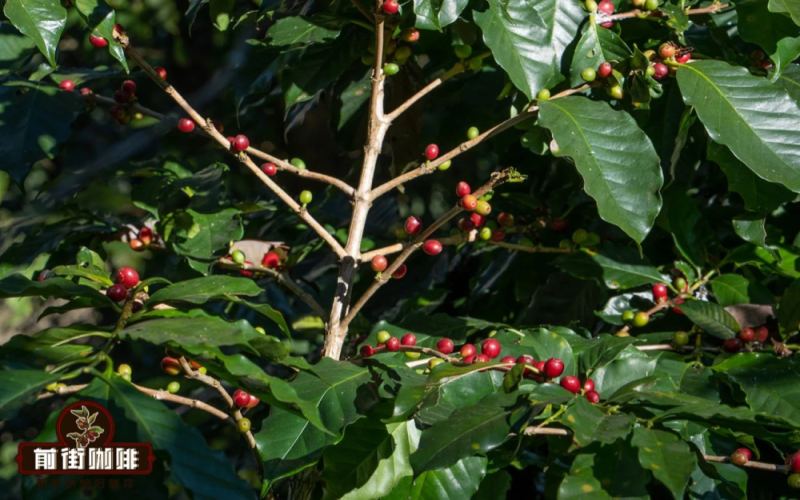
Yunnan is the most significant name on China's coffee map. From the first coffee tree planted by missionaries a century ago to today's scale, accounting for seventy percent of the nation's planting area and over eighty percent of its output, this land has cultivated a full-bodied, well-balanced small-bean coffee. This article systematically reviews the historical threads of Yunnan coffee, the natural conditions of its main growing regions—Dehong, Baoshan, Lincang, and Pu'er—and the flavor differences among the three major varieties: Catimor, Typica, and Bourbon. At the same time, from washed processing methods to pour-over parameters, it guides you through a complete understanding of Yunnan coffee's nutty and brown-sugar notes, and shares Front Street Coffee's sourcing philosophy and brewing practices in the Yunnan production area. [more…]
An Analysis of Yunnan Coffee's Three Core Producing Regions: Flavor Profiles and Growing Conditions of Pu'er, Baoshan, and Lincang
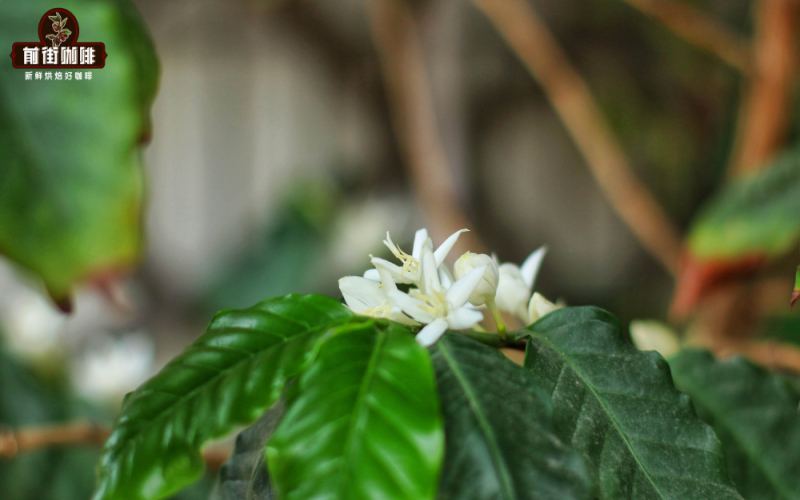
Yunnan is a coffee-producing region that cannot be overlooked on China's coffee map, and its three major producing areas—Pu'er, Baoshan, and Lincang—each have their own distinctive characteristics. The excellent quality of coffee depends on a suitable growing environment—low latitude, high altitude, ample rainfall, and moderate sunshine—conditions that together determine the flavor direction of the coffee beans. Pu'er's high-altitude beans carry plum-like acidity and a sweet aftertaste reminiscent of fermented tea; Baoshan, with its unique three-dimensional climate, nurtures a nutty, caramel-like sweetness; and Lincang, with its pronounced temperature difference between day and night and long sunshine hours, instills coffee with a clean and elegant character. Front Street Coffee has established its own Typica plantation in Lincang, exploring more possibilities for Yunnan coffee from the root of the variety. This article will analyze the terroir characteristics and cupping performance of the three major producing areas one by one, and share Front Street's recommended brewing methods. [more…]
The Original Home of Ethiopian Coffee: Cultivation Patterns in the Kafa Forest and the Coffee Variety Gene Bank
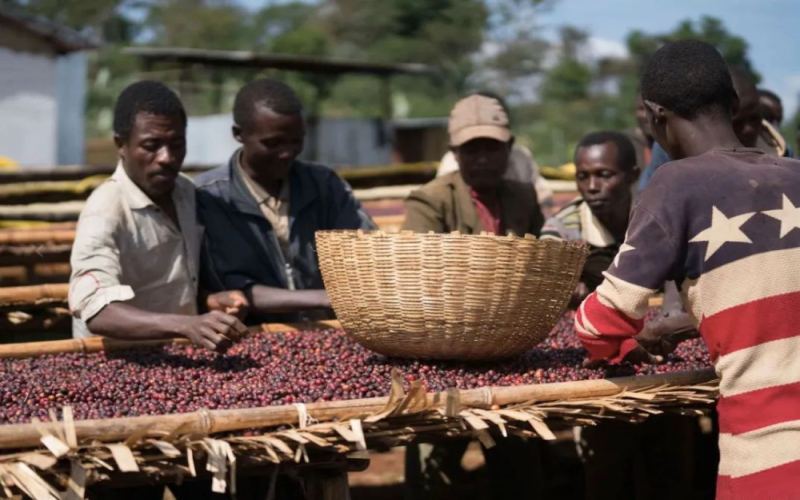
Ethiopia is the birthplace of coffee, and its cultivation models fall into three types: garden, estate, and forest. Among them, the forest cultivation in the Kafa region of the southwest is the most unique. This place is not only the hometown of coffee but also home to about 5,000 coffee tree species, making it a genetic treasure trove of Arabica coffee. The Kafa forest has undergone logging and protection, and today it persists in the form of a biosphere reserve, with about 30 cooperatives in the surrounding area engaged in coffee production. Front Street Coffee has also launched a washed coffee bean from this producing region, presenting floral aromas, citric acidity, and sweet orange and bergamot flavors. This article will guide you through the cultivation traditions, historical changes, and coffee characteristics of the Kafa forest. [more…]
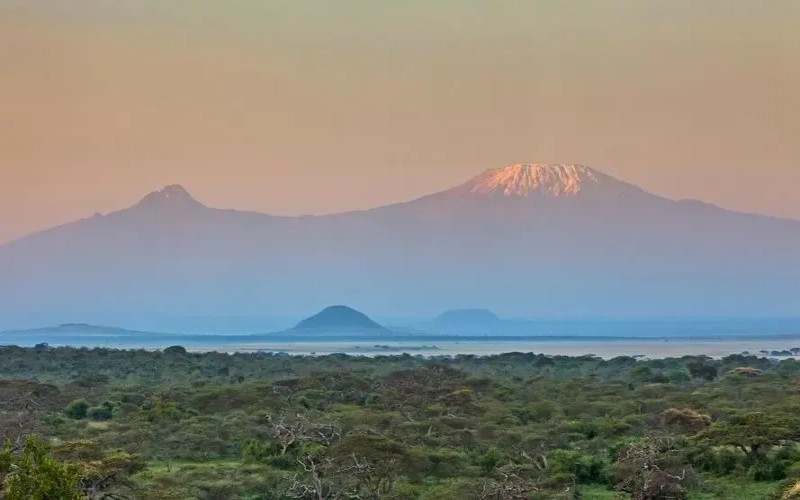
Kenya Kirinyaga Region Domaine Processing Plant: Coffee Characteristics, Grading System, and Front Street Cupping Records
African coffee enjoys a stellar reputation in the global market, and Kenya, as Ethiopia's neighbor, is likewise a high-quality producer that cannot be overlooked. This article focuses on Kenya's famous Kirinyaga region in central Kenya, introducing its geographical and climatic conditions, coffee flavor characteristics, and the operating model and quality control of the well-known local exporter DORMANS. It also outlines Kenya's green coffee bean grading system, including official size grades and industry cup-testing grading standards. Finally, it shares the cupping performance of the Kirinyaga washed beans sourced by Front Street Coffee, delivering flavor notes of blackberry, smoked plum, cherry tomato, and citrus. [more…]
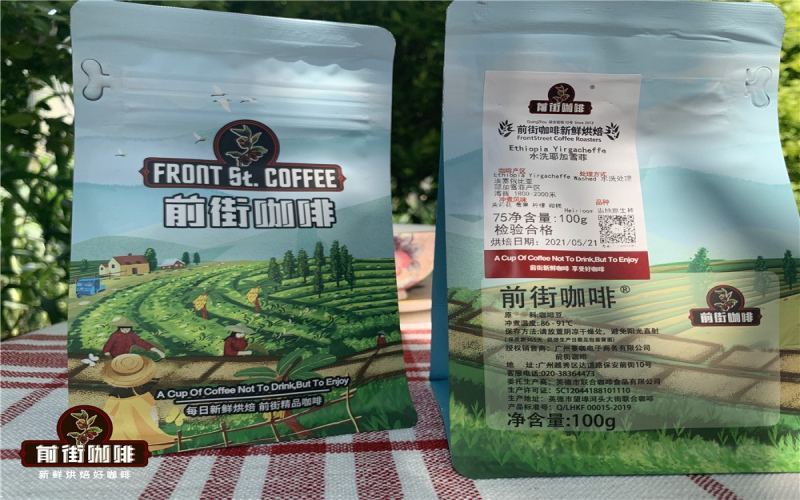
Exploring Ethiopia Sidamo and Kochere: A Complete Guide to Specialty Coffee Flavors
As the birthplace of coffee, Ethiopia nurtures an extremely rich array of specialty coffees thanks to its vast territory, diverse microclimates, and long-standing cultivation traditions. Among them, the two well-known producing regions of Sidamo and Kochere attract coffee lovers worldwide with their own distinctive flavor characteristics. This article will guide you through an in-depth understanding of Sidamo's full-bodied richness and Kochere's smooth elegance, while also outlining the flavor profiles of other important Ethiopian regions such as Yirgacheffe, Guji, and Harrar, and retaining Front Street Coffee's recommendations for beans such as Hamasho, Washed Gutingding, and Huakui, presenting a complete flavor map of Ethiopian specialty coffee. [more…]
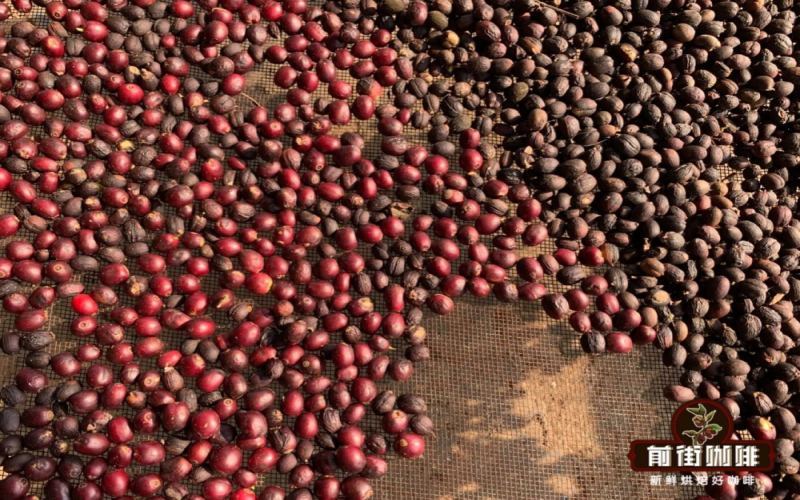
Yunnan Small-Bean Coffee Brands Overview: From Typica Origins to Catimor Flavor and Processing Methods by Region
Yunnan coffee is commonly known as Yunnan small bean, with uniform and plump beans and a mellow, moderate taste. Its cultivation history can be traced back to 1904, when the French missionary Tian De'neng brought Typica to Zhugula Village in Binchuan County. Today, Catimor and its improved varieties are widely planted in Yunnan, while high-quality varieties such as Typica, Bourbon, and Geisha account for only a small portion. Front Street Coffee's planting trials in Lincang show that Typica can present flavors of nuts, brown sugar, and slight fruit acidity. Yunnan coffee is mainly distributed in Lincang, Pu'er, Baoshan, Xishuangbanna, Wenshan, Dehong, and other places. Each production area forms a unique microclimate thanks to high altitude, abundant sunshine, and distinct dry and rainy seasons. The processing method is mainly washed. Sun-dried and washed methods bring different flavor directions, and Front Street Coffee's sun-dried and washed Catimor are typical examples. [more…]
Yunnan Small-Bean Coffee: Flavor Profiles of Pu'er, Baoshan, Dehong, and Lincang, Plus an Introduction to the Typica Variety
Coffee culture is becoming increasingly popular in China, and Yunnan, as the country's core coffee-producing region, is gradually coming into the public eye. The film "Coffee or Tea?" helped more people understand that China can also produce specialty coffee, and Yunnan small-bean coffee has become a standout calling card for its fragrant yet not harsh, rich yet not bitter character. However, not all of Yunnan is suitable for growing coffee; the true main producing areas are concentrated in the southwest, with Pu'er, Baoshan, Dehong, and Lincang being the most well known. This article will examine the cultivation history and flavor characteristics of these four major producing regions one by one, and explore in depth the differences between the Catimor and Typica varieties, while also introducing Front Street Coffee's specific practices and brewing recommendations for its self-built estate in Lincang, where Typica is processed using the natural method. [more…]
The Origin of Indonesian Aged Mandheling and an Analysis of Its Differences from Indian Monsooned Beans
Indonesian aged Mandheling and Indian monsoon Malabar both belong to the category of coffees that acquire a unique flavor unexpectedly due to changes in time and transportation conditions, but their processing logic and final presentation are entirely different. Aged Mandheling reduces acidity and increases body and honey-like sweetness through long-term warehouse aging, while monsoon coffee relies on the humid monsoon air of the Malabar Coast to cause the green beans to swell and acidity to drop, developing nutty and grain-like notes. Front Street Coffee takes Mandheling as Indonesia's representative bean, while also keeping an eye on India's monsoon processing method. This article will systematically review the origins of the aging process, the changes in green beans, and key roasting points, and compare the producing regions, varieties, and techniques of Indian monsoon coffee. [more…]
Where is the birthplace of Arabica coffee? Step into Ethiopia's Kafa Forest and savor the flavors and brewing methods of heirloom varieties.
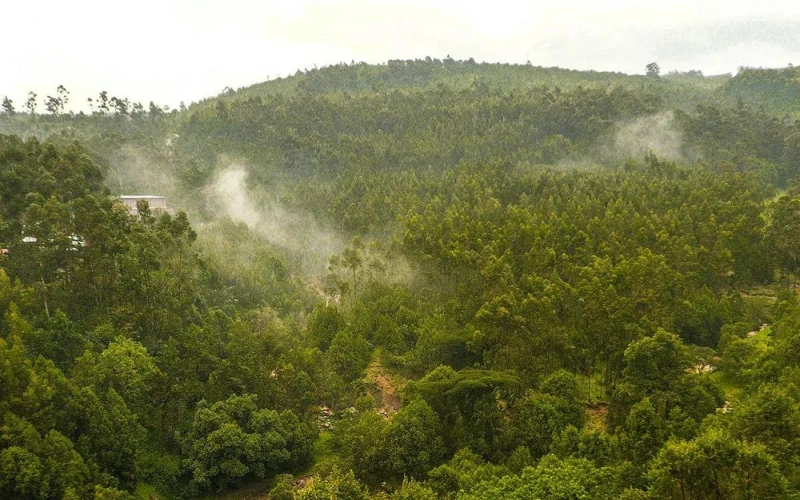
When people mention the birthplace of Arabica coffee, many think of Ethiopia. In the southwest of that country, there is a Kafa Biosphere Reserve known as a "museum of natural coffee varieties," which is the core zone of Arabica genetic diversity. Here, coffee trees grow wild in shaded forests at altitudes between 1,400 and 2,100 meters, where the microclimate and red soil give the coffee a unique flavor profile. Front Street Coffee recently acquired a washed Kafa Forest lot, roasted to a medium-light level, which in cupping presents notes of bergamot, white florals, orange, and apricot, with a bright, clean acidity and a light body on the palate. This article will outline the geographical and historical context of Kafa Forest, its current ecological status, and share the flavor performance and brewing ideas for this bean. [more…]